Skip to content
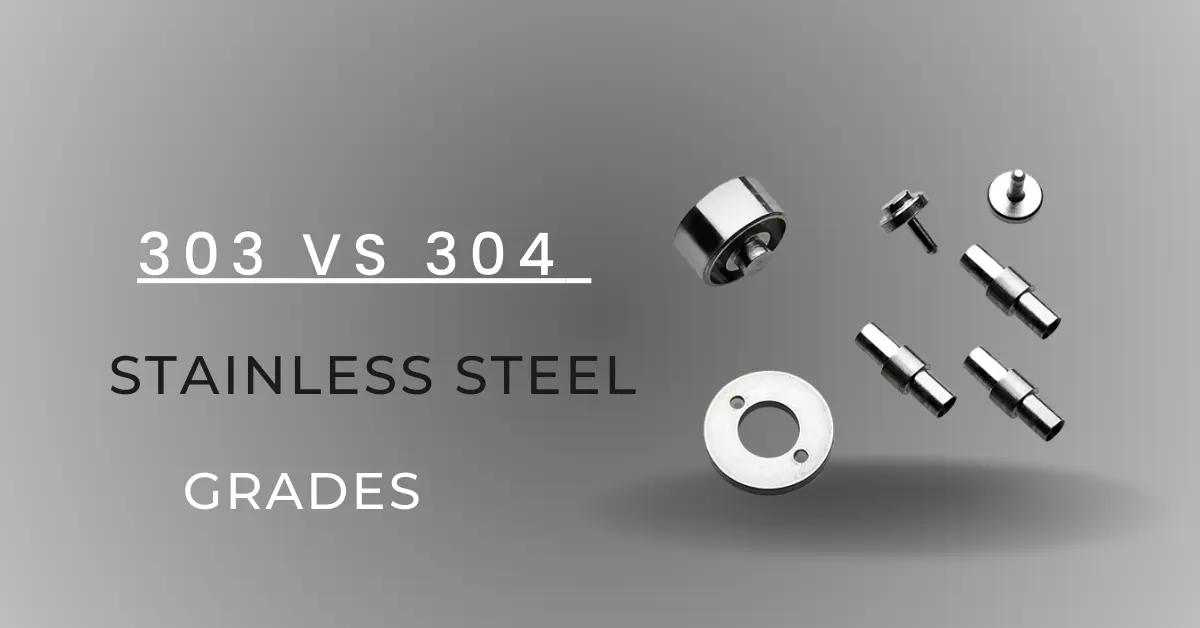
Choosing the right stainless steel grade can make a big difference in your project. Both 303 and 304 are popular choices, but they work best in different situations. When you are looking for the right round bar material selection, Forte Metals can help you find the best fit for your needs. Picking the wrong grade can cost you time and money.
303 vs 304 Stainless Steel Round Bar: Understanding the Key Differences
When you compare the 303 vs 304 stainless steel round bar, you will notice clear differences in their makeup. Each grade has its own strengths. Furthermore, knowing these differences helps you make a smarter buying decision. You do not want to pick a grade that does not match your project needs. Therefore, understanding each grade is the first step.
Both grades belong to the 300 series family of stainless steel. However, they serve different purposes in different industries. Additionally, their chemical makeup affects how they perform under pressure and heat. Before you place an order, it is important to know what sets them apart.
What Is 303 Stainless Steel Round Bar?
Grade 303 is a free-machining stainless steel. It contains a small amount of sulfur, which makes cutting and shaping much easier. Moreover, it is a great choice for parts that require a smooth, clean finish. You will often find it used in nuts, bolts, and fittings. It works well in high-speed machining environments.
Furthermore, grade 303 is not the best choice for welding. The sulfur content that helps with machining can cause problems during welding. So, if your project involves welding, you should consider another grade. However, for fast production of machined parts, 303 remains a top pick among many manufacturers and shops.
What Is 304 Stainless Steel Round Bar?
Grade 304 is one of the most widely used stainless steel grades worldwide. It offers good strength and holds up well against rust and staining. Additionally, it works well in food, medical, and industrial settings. You can also weld it without losing its core strength. Therefore, it is a very flexible material for many different projects.
Moreover, 304 does not contain the added sulfur present in 303. This makes it a bit harder to machine compared to 303. However, it gives you better overall performance in tough conditions. So, if your project needs a grade that handles both strength and light corrosion, 304 is a solid and reliable option.
Machinability: Which Grade Is Easier to Work With?
When it comes to 303 stainless steel machinability, grade 303 clearly takes the lead. The added sulfur helps the cutting tools move through the metal more quickly and cleanly. Additionally, it reduces tool wear during long production runs. So, shops that run high-volume machining jobs often prefer grade 303 for its speed and clean output.
On the other hand, grade 304 takes more effort to machine properly. It tends to work-harden quickly, slowing the cutting process. However, with the right tools and speed settings, you can still machine it well. Furthermore, many shops choose 304 when they need both good machinability and better corrosion resistance in the same part.
Corrosion Resistance: How Do They Compare?
Grade 304 offers stronger corrosion resistance compared to grade 303. Sulfur added to 303 can create small, weak spots that allow rust to form over time. Therefore, in wet or chemical environments, 304 performs much better. Additionally, 304 holds up well against food acids and cleaning products used in kitchens and food plants.
Grade 303, however, still offers decent protection in dry and mild conditions. So, if your parts stay indoors and away from moisture, 303 can still work well for you. Moreover, both grades resist staining better than regular carbon steel. However, for outdoor or marine use, neither grade is the top pick without added coating or protection.
Common Applications of 303 and 304 Stainless Steel
You will find stainless steel applications for both grades across many industries. Grade 303 is common in the production of screws, gears, shafts, and fittings. Furthermore, it shows up often in the automotive and aerospace sectors where fast machining matters. So, industries that value speed and precision tend to reach for 303 first when ordering.
Grade 304 is widely used in kitchen equipment, tanks, piping, and medical tools. Additionally, it works well in construction and chemical processing plants. Moreover, its ability to handle both heat and moisture makes it a go-to material. Therefore, when your project calls for a dependable, clean material, 304 stainless steel fits most stainless steel applications very well.
How to Choose the Right Grade for Your Project
Choosing between the two grades comes down to what your project really needs. If fast machining and tight tolerances matter most, then 303 is your best pick. However, if your part will be exposed to moisture, chemicals, or high heat, then 304 is the smarter choice. Additionally, think about whether welding is part of your process before you decide.
Also, consider the environment where your part will be used every day. Furthermore, your budget and production speed can also influence your final decision. So, take time to review your project needs before placing an order. Moreover, talking to a trusted stainless steel bar supplier can help you avoid costly mistakes and pick the right grade.
Conclusion
Understanding the difference between these two grades helps you make a better choice for your project. Grade 303 is best for fast-machining jobs. Grade 304 is suited to wet and tough environments. When you need help with round bar material selection, Forte Metals is here to guide you every step of the way toward the right grade.
Frequently Asked Questions
Is 303 or 304 stainless steel stronger?
Both grades offer similar strength levels. However, 304 performs better under tough conditions and resists corrosion more effectively than 303 does.
Can 303 stainless steel be welded?
Welding 303 is not recommended. The sulfur content in 303 can cause cracks and weak joints during welding.
Which grade is better for food-grade applications?
Grade 304 is the better choice for food use. It resists acids and cleaning chemicals much better than grade 303 does.
Where can I buy stainless steel round bars in Chicago, IL?
You can find high-quality stainless steel round bars in Chicago, IL, from a trusted local supplier that stocks both 303 and 304 grades.
Is 304 stainless steel more expensive than 303?
Yes, 304 is usually slightly more expensive. However, its better performance in tough conditions often makes it worth the extra cost.