
Milling
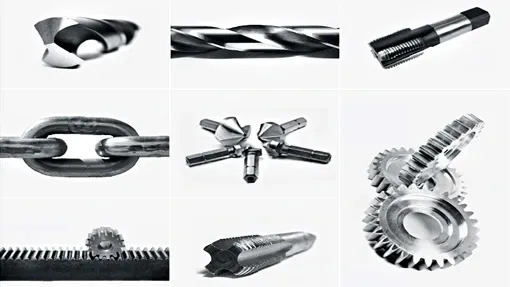
 Milling can be considered as the most common form of machining operation – a removal of material process. This can create varying features on a component through cutting away excess and unnecessary material. Upon the operation requires a workpiece, fixture, milling machine, and a cutter. The workpiece is inserted to the platform within the milling machine. The cutter serves as a cutting tool with abrasive teeth/grains that is secured to the machine. Thus, by feeding the workpiece to the cutter, excess material is being cut away from the workpiece to create desired shape.
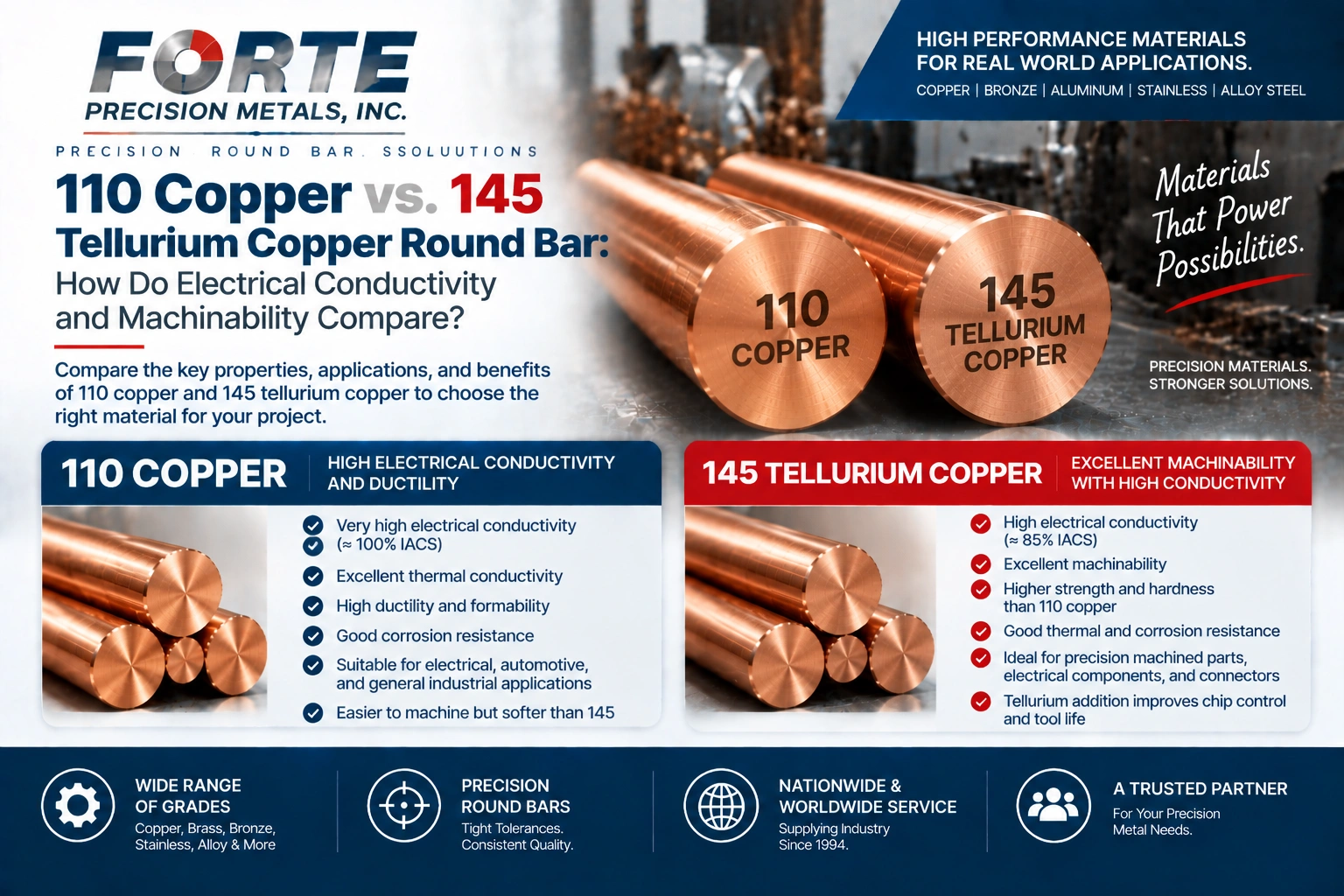
110 Copper vs. 145 Tellurium Copper Round Bar: How Do Electrical Conductivity and Machinability Compare?
The 110 copper vs. 145 tellurium copper round bar choice balances electrical performance against machining
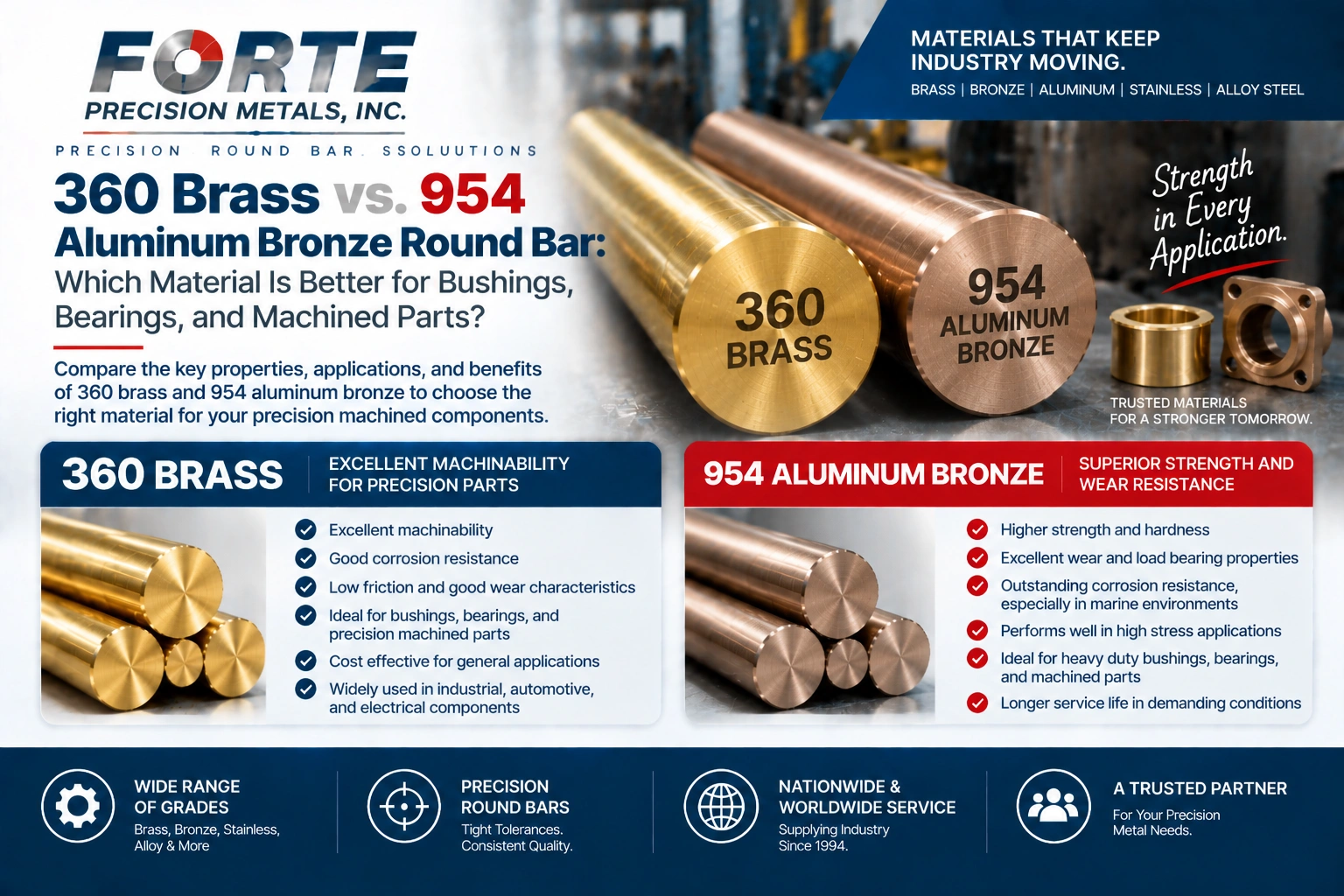
360 Brass vs. 954 Aluminum Bronze Round Bar: Which Material Is Better for Bushings, Bearings, and Machined Parts?
The 360 brass vs. 954 aluminum bronze round bar decision depends on whether machining efficiency
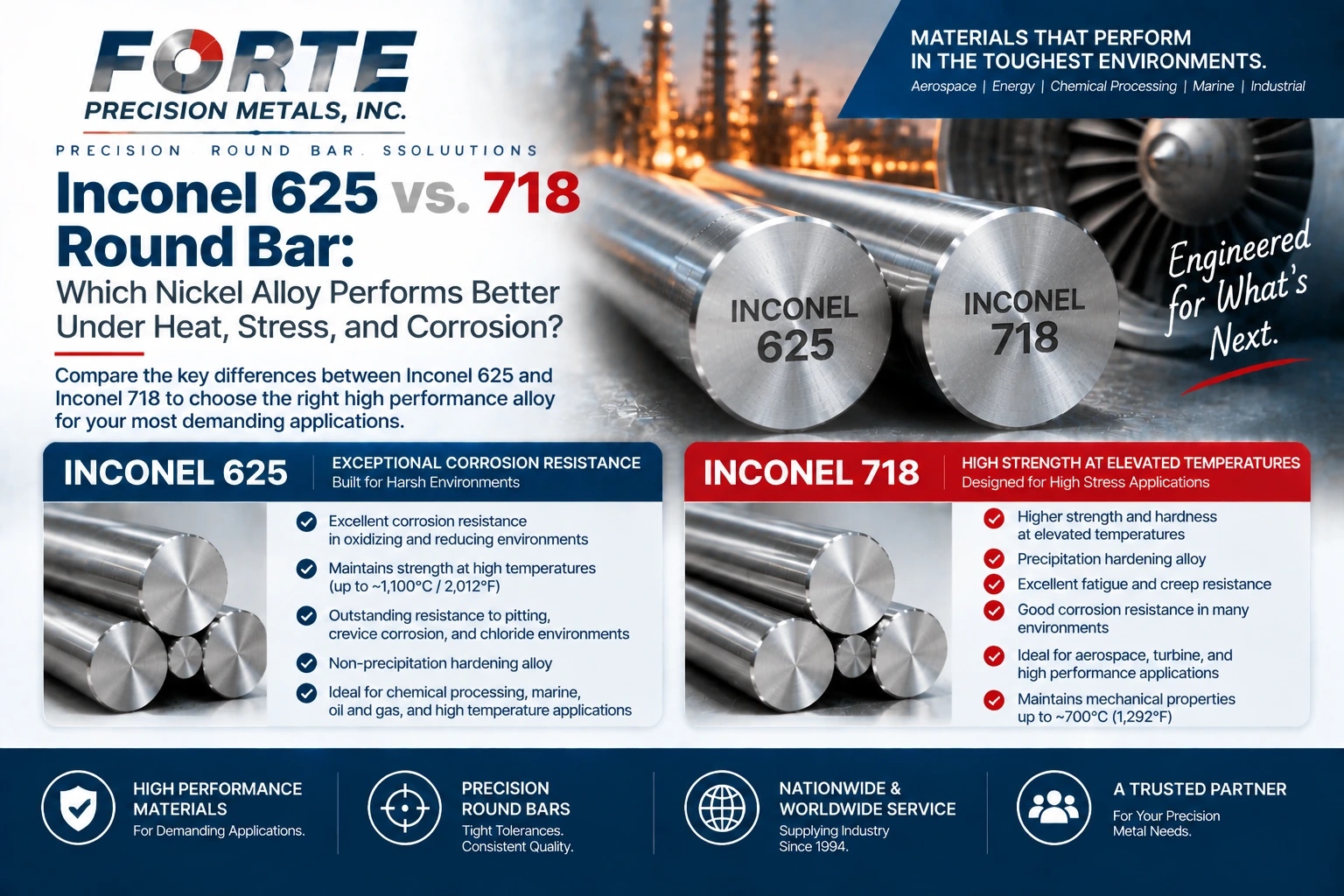
Inconel 625 vs. Inconel 718 Round Bar: Which Nickel Alloy Performs Better Under Heat, Stress, and Corrosion?
The Inconel 625 vs. Inconel 718 round bar choice depends on which demand dominates the
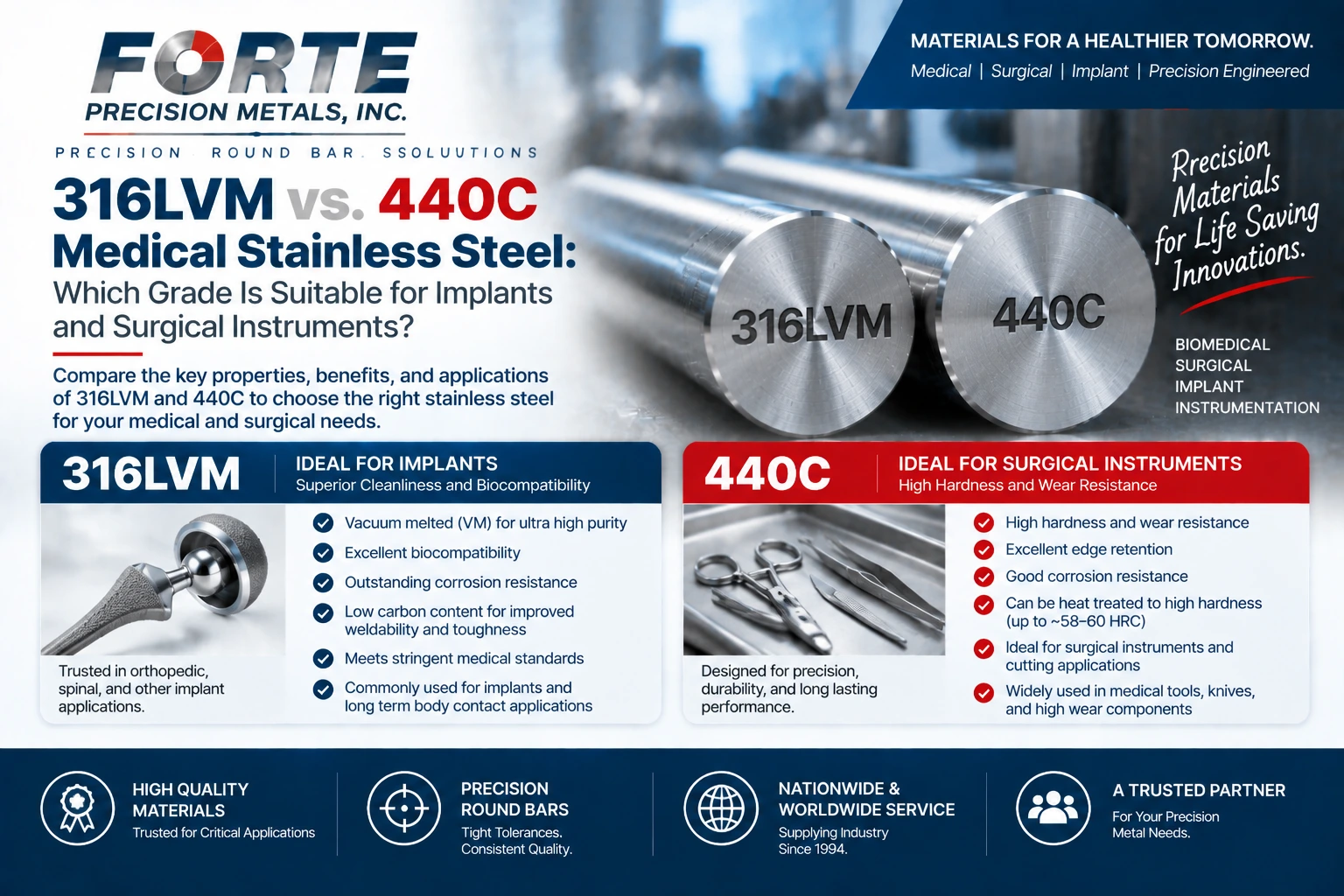
316LVM vs. 440C Medical Stainless Steel: Which Grade Is Suitable for Implants and Surgical Instruments?
The 316LVM vs. 440C medical stainless steel decision is not a simple comparison of two