Skip to content
When you’re working with metal materials, picking the right grade really matters. Both 316 and 316L stainless steel round bars look similar, but they are not the same. Understanding their differences helps you make a better buying decision. If you are looking for a trusted stainless steel bar supplier, Forte Metals can help you find the right grade for your project.
Understanding 316 vs 316L Stainless Steel Round Bar
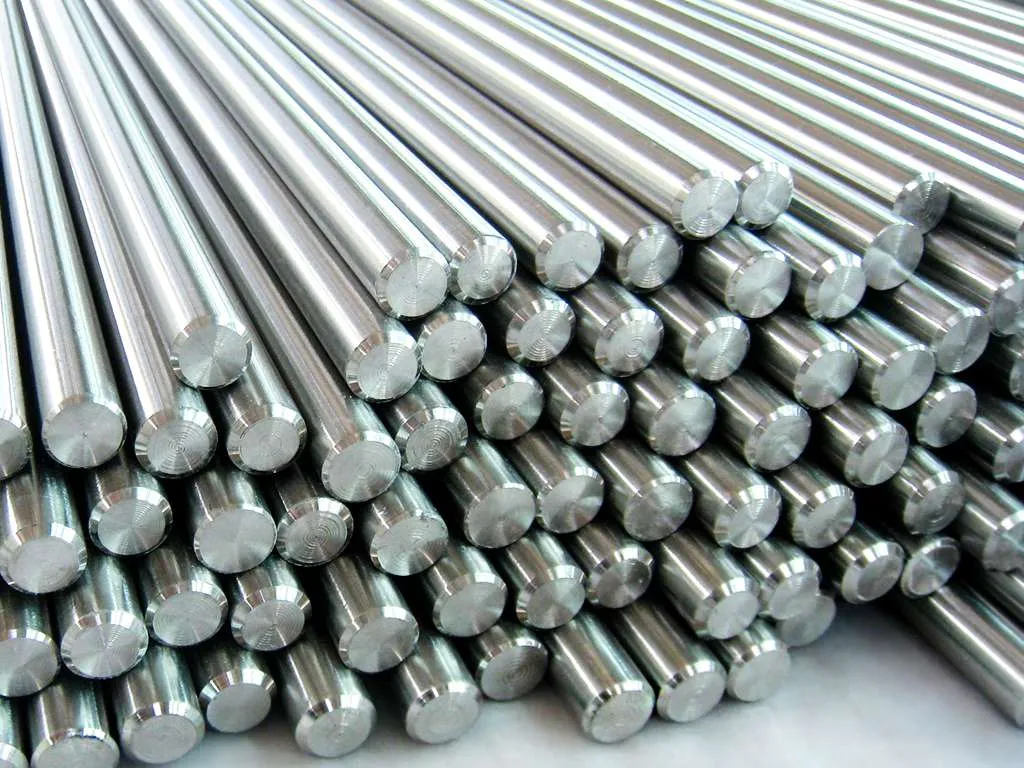
When you compare 316 vs 316L stainless steel round bar, the differences are small but very important. Both grades share many of the same properties, but their performance varies under certain conditions. Knowing these details helps you pick the right bar for your project without wasting time or money.
Buyers often get confused because both grades look the same from the outside. However, the real differences show up in how they perform under heat, pressure, and harsh conditions. So before you place your order, take a moment to understand what makes each grade unique and useful.
What Is 316 Stainless Steel Round Bar?
316 stainless steel round bar is a very popular grade used across many industries. It contains molybdenum, which gives it strong protection against rust and chemicals. This grade works well in tough environments where other metals might fail quickly. It is a reliable choice for projects that need strength and long-lasting performance.
This grade has a slightly higher carbon content compared to 316L stainless steel round bar. That difference affects how it performs during welding and high heat exposure. Many buyers choose this grade for general industrial use, where welding is not always needed. It is strong, dependable, and easy to work with in most conditions.
What Is 316L Stainless Steel Round Bar?
316L stainless steel round bar is the low-carbon version of the standard 316 grade. The letter L simply stands for low carbon, and that small change makes a big difference. This grade is very popular for projects that involve a lot of regular welding. It handles heat much better and reduces the risk of corrosion after welding.
Because of its low carbon content, this grade performs better in more sensitive environments. Industries like food processing, medical, and chemical sectors use this grade very often. It offers great corrosion resistance and stays strong even after repeated heat exposure. If your project involves welding, this grade is usually the smarter and safer choice.
Carbon Content: The Core Difference Between Both Grades
The biggest round bar material difference between these two grades is their carbon content level. Standard 316 has a carbon content of up to 0.08 per cent. On the other hand, 316L has a much lower carbon content of just 0.03 per cent. That small gap creates a big change in how each grade behaves under heat.
Lower carbon content means a lower risk of carbide formation during the welding process. Carbide buildup can weaken the metal and increase its susceptibility to rusting over time. So when you need a grade that stays strong after welding, 316L is the better option. Always check the carbon content before you finalise your material choice for any project.
Corrosion Resistance: Which Grade Performs Better?
Both grades offer very good protection against rust and chemical damage in tough environments. They both contain molybdenum, which helps them resist harsh acids and saltwater exposure well. However, 316L stainless steel round bar performs slightly better in welded areas and joints. The low carbon content prevents carbide formation and keeps the metal strong after heat treatment.
In general use, both grades perform almost the same way for most applications. If your project does not involve welding, then standard 316 stainless steel round bar works just as well. For marine, chemical, or food-grade environments, 316L gives you a little extra protection. Picking the right grade depends on where and how you plan to use it.
Welding Performance: Why 316L Has the Advantage
Welding is one area where 316L clearly takes the lead over standard 316 grade. When you weld standard 316, the heat can cause carbide to form along the grain edges. This makes the metal weaker and more open to rust and damage over time. That is why many welders and engineers prefer 316L for projects with heavy welding needs.
316L stainless steel round bar stays stable during and after the welding process every time. It does not need extra heat treatment after welding, which saves both time and money. If your project involves pipes, tanks, or frames that require extensive welding, choose 316L. It makes the whole process easier and the final result much stronger and more reliable.
Common Applications of 316 and 316L Round Bars
Both grades are used across many industries because of their strong and flexible nature. You will find 316 stainless steel round bar in marine equipment, pumps, and chemical processing units. It is also common in construction and industrial machinery, where strength is the top priority. This grade handles tough conditions and performs well over a long period of time.
316L round bars are very common in the medical, food, and pharmaceutical industries today. These sectors need materials that stay clean and resist chemical reactions during use. Stainless steel round bar suppliers in Chicago often stock both grades to meet different project needs. Knowing the right application helps you choose the correct grade without any second-guessing.
How to Choose the Right Grade for Your Project
Choosing between these two grades does not have to be hard or confusing at all. Start by asking yourself whether your project involves welding before deciding. If yes, go with 316L because it handles heat better and stays strong after welding. If welding is not involved, then standard 316 stainless steel round bar is a solid choice.
Also, think about the environment where the material will be used in your project. Chemical plants, coastal areas, and food processing units may need 316L for extra safety. For general industrial use, 316 works perfectly fine and costs a little less overall. Always match the grade to your specific project needs for the best, most effective results.
Conclusion
Understanding the difference between these two grades helps you buy smarter and build better every time. Both are strong and reliable, but each works best in different conditions and environments. If you need help finding the right grade for your next project, Forte Metals is a great place to start. Choose wisely, and your project will always deliver great results.
Frequently Asked Questions
Is 316L better than 316 stainless steel?
316L is better for welding projects. For general use without welding, standard 316 works just as well and costs less.
Can 316 and 316L stainless steel be used interchangeably?
In most cases, yes, but for welding projects, 316L is always the safer, more reliable choice.
Which grade is better for welding?
316L is much better for welding because its low carbon content prevents carbide buildup and keeps the metal strong.
Is 316L more expensive than 316?
Yes, 316L is slightly more expensive. However, it saves money in the long run by reducing repair and maintenance costs.
Where can I buy 316 and 316L stainless steel round bars in Chicago?
You can find both grades at trusted stainless steel round bar suppliers in Chicago, which stock a wide range of sizes.