Skip to content
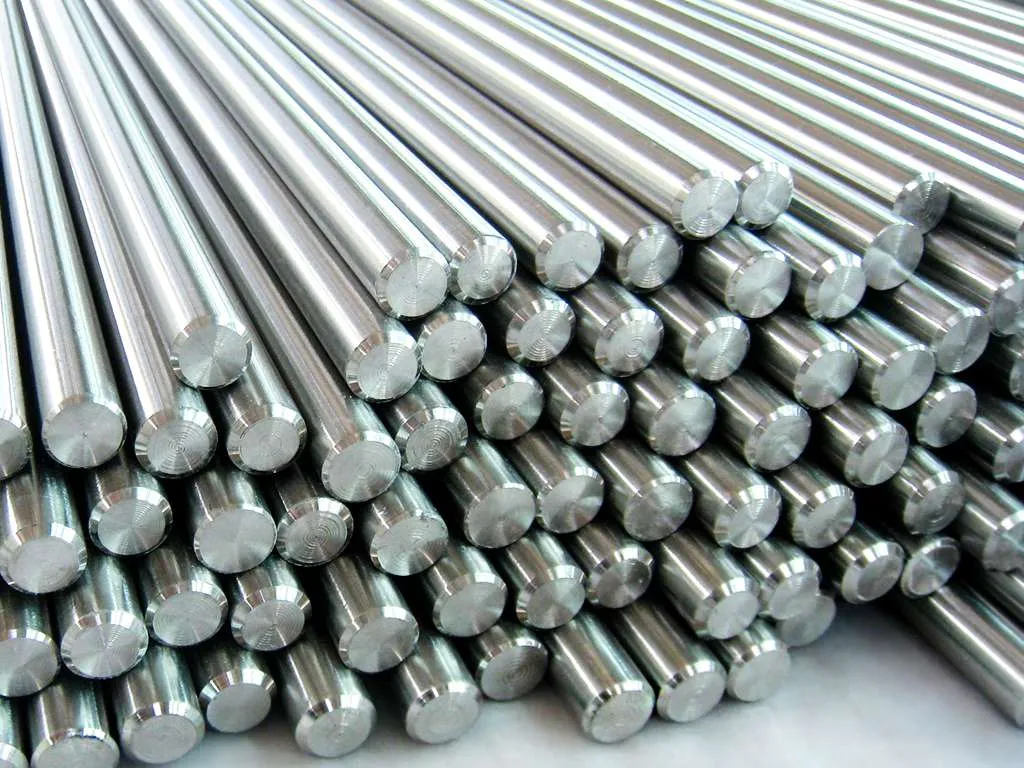
When you work in a heavy industry, picking the right steel material really matters. The wrong choice can slow down your work and cost you more money. Both alloy steel and carbon steel round bars are popular options in many industries today. You can visit Forte Metals to find the right round bar for your specific needs. Choosing the right one makes a big difference.
Alloy Steel vs Carbon Steel Round Bar: Understanding the Core Difference
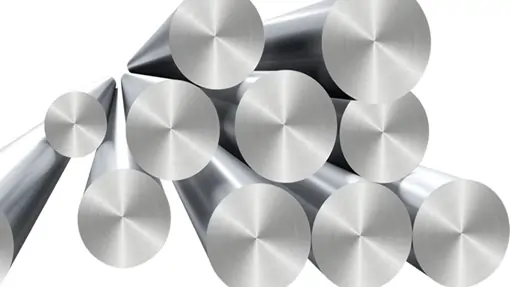
Steel comes in many forms, and round bars are one of the most widely used shapes in industry. When you compare alloy steel and carbon steel round bars, you will notice clear differences in their compositions. Alloy steel contains added elements like chromium, nickel, and manganese. These extra elements give it special properties that plain carbon steel does not have.
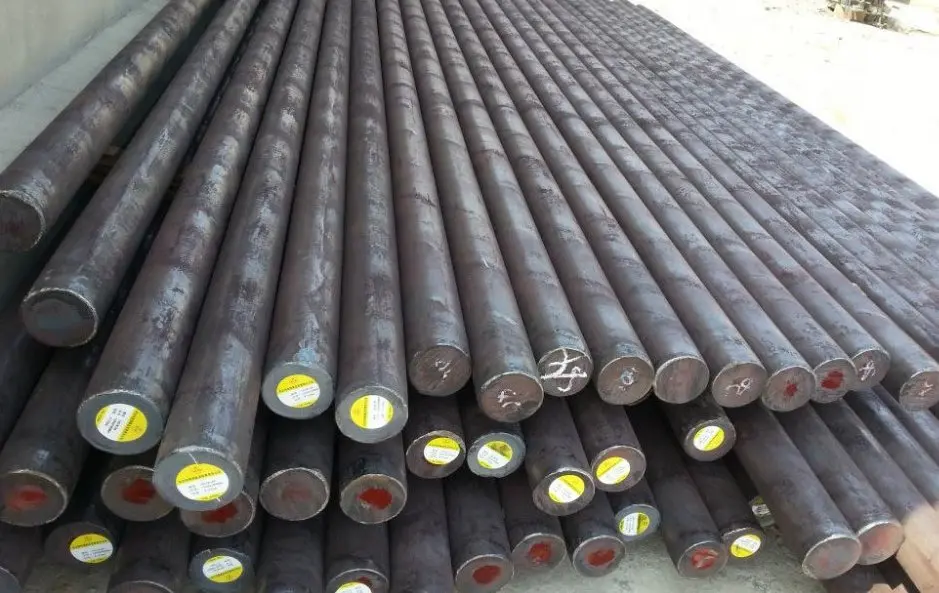
Carbon steel, on the other hand, mainly contains iron and carbon with very few other elements. It is a simpler material, but still very strong and useful. Many industries use carbon steel round bar for basic structural work. Both materials have their own advantages, depending on your project’s needs and how much you want to spend.
What Is Alloy Steel Round Bar and How Is It Made?
Alloy steel round bar is made by mixing iron with several other elements during the melting process. These added elements change how the steel behaves under heat and pressure. The result is a bar that performs much better under tough conditions than basic steel. Many factories and plants use this type of bar for parts that face heavy stress every day.
Alloy steel round bar properties include greater hardness, higher strength, and good wear resistance. These properties make it a smart pick for demanding industrial work. So, if your project needs a material that holds up under pressure, alloy steel is worth considering. It performs well where regular steel would wear out too fast.
What Is Carbon Steel Round Bar and Where Is It Used?
Carbon steel round bar is one of the most commonly used materials in construction and manufacturing. It contains mostly iron and carbon, which makes it easy to shape and work with. You will find this bar in bridges, buildings, and many types of machinery. Its simple makeup keeps the cost lower than most other steel types available today.
Steel round bar for industrial use often starts with carbon steel because it is easy to weld and cut. Workers can shape it without much trouble on the job site. It works well for parts that do not face extreme heat or heavy chemical exposure. This makes it a go-to choice for many standard industrial projects worldwide.
Key Differences in Strength and Durability
When it comes to strength, alloy steel round bar comes out ahead in most cases. The extra elements in alloy steel make it harder and more resistant to damage over time. Carbon-steel round bar is still strong enough for everyday tasks, but it has its limits. Under very high pressure or heat, carbon steel may not hold up as well as alloy steel.
Durability is another area where the two materials show clear performance differences. Alloy steel lasts longer in harsh environments, such as chemical plants and heavy machinery. Carbon steel, though strong, may need more care in wet or corrosive settings. Knowing these differences helps you choose the right bar for your industry’s specific needs.
Which Industries Use Alloy Steel Round Bar?
Many heavy industries rely on alloy steel round bar for their most demanding jobs. The oil and gas industry uses it for drilling tools and pipeline components that operate under extreme pressure. The automotive industry also depends on it to produce strong engine and gearbox components. Alloy steel round bar properties make it the top pick for any job that needs extra strength.
The aerospace and defence sectors also use alloy steel for parts that must perform under stress. Power plants and mining operations depend on it for long-lasting equipment. If your industry involves heat, pressure, or heavy loads every day, alloy steel is a smart, reliable choice that will not let you down.
Which Industries Prefer Carbon Steel Round Bar?
Carbon steel round bar is a favourite in construction and general manufacturing across many regions. Builders use it for structural beams, support frames, and reinforcement bars in large projects. The lower cost of carbon steel makes it easy to use in large quantities without breaking the budget. It is also simple to weld, which saves time on big construction sites.
The agricultural and transportation industries also prefer carbon steel for many of their parts. Farmers use it for equipment frames and tools that do not face harsh chemical exposure. Transportation companies use it for vehicle frames and support structures as well. For budget-friendly, straightforward industrial work, carbon steel remains a strong option.
Cost Comparison: Alloy Steel vs Carbon Steel Round Bar
Carbon steel round bar is generally cheaper than alloy steel in most markets today. The simpler makeup of carbon steel means it costs less to produce and buy in bulk. So, for large projects with tight budgets, carbon steel is often the first choice. Many businesses in construction and manufacturing use carbon steel to keep costs down.
Alloy steel costs more because of the added elements used during production. However, you get better performance and a longer lifespan in return for that higher price. For industries that need strong and long-lasting parts, the extra cost is worth it. Round bar material selection should always consider both the budget and the performance needs of your project.
How to Choose the Right Steel Round Bar for Your Industry
Choosing between the two starts with understanding what your project really needs from the material. If your work involves heavy loads, high heat, or tough conditions, alloy steel is the better pick. For simpler jobs that require a cost-effective, easy-to-work-with material, carbon steel is a good choice. Always match the material to the actual demands of your industry.
You should also think about long-term costs when making your final decision on this. A cheaper, fast-wearing material can cost you more in the long run. Industrial steel bar suppliers in Chicago can help you find the right grade for your needs. Talking to a steel expert before buying saves you time and prevents costly mistakes later on.
Conclusion
Both alloy steel and carbon steel round bars serve important roles in different industries. Your choice depends on your budget, your work conditions, and how long you need the material to last. Alloy steel delivers better performance in demanding conditions, while carbon steel is well-suited for simpler tasks. You can count on Forte Metals to help you find the right round bar for your industry needs.
Ready to order the right steel round bar for your project? Contact us today and get expert help.
Frequently Asked Questions
What is the main difference between alloy steel and carbon steel round bar?
Alloy steel contains added elements such as chromium and nickel, while carbon steel mainly contains iron and carbon, with fewer added elements.
Which steel round bar is stronger for heavy industrial use?
Alloy steel round bar is stronger for heavy industrial use because the added elements improve its hardness and pressure resistance.
Is carbon steel round bar cheaper than alloy steel?
Yes, carbon steel is generally cheaper because its simpler makeup costs less to produce and is easier to buy in bulk.
Can alloy steel round bar resist corrosion better than carbon steel?
Yes, alloy steel resists corrosion better because the added elements provide greater protection in harsh, wet environments.
Where can I find quality steel round bars in Chicago, IL?
You can find quality steel round bars in Chicago, IL, by contacting a trusted local steel supplier who understands your industry needs.