Skip to content
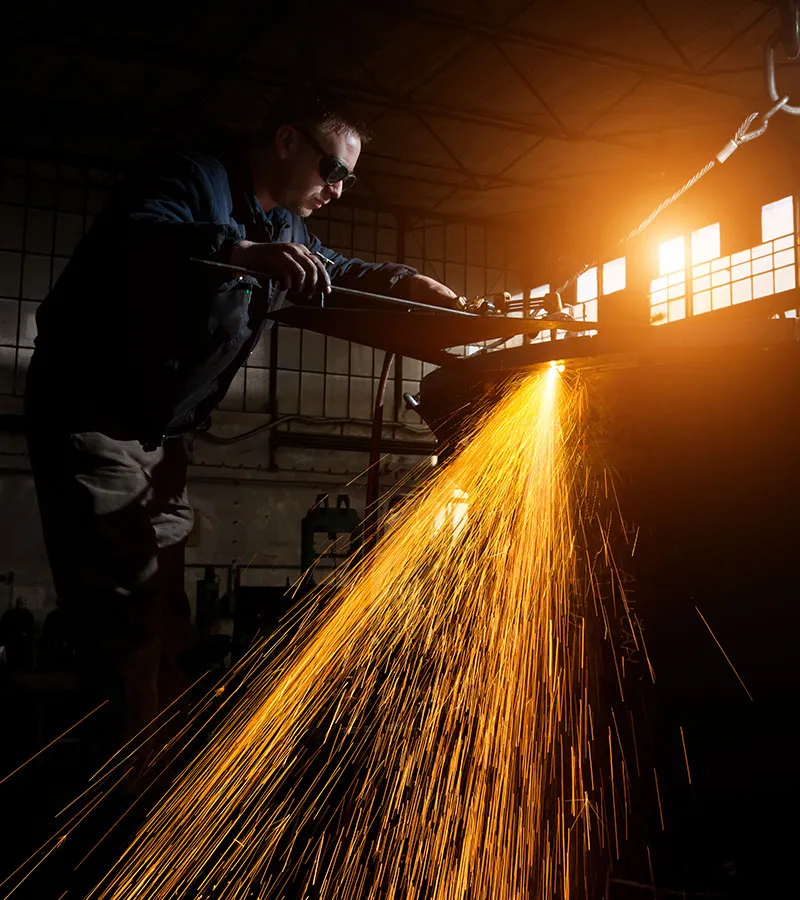
Medical steels play a vital role in modern surgical applications, offering the durability, corrosion resistance, and biocompatibility necessary for medical instruments and implants. As the healthcare industry continues to advance, the demand for high-quality medical steels has grown, ensuring that surgical tools and medical devices perform reliably under extreme conditions. Forte Precision Metals, Inc., based in Franklin Park, Illinois, specializes in providing precision-machined medical steels tailored for a wide range of applications.
The Importance of Medical Steels in Healthcare
Medical steels are engineered to meet stringent healthcare standards, ensuring they are safe for prolonged contact with the human body. Their high corrosion resistance allows them to withstand sterilization processes and exposure to bodily fluids without degrading over time. In surgical settings, precision and reliability are crucial, making high-quality medical steels the preferred choice for scalpels, forceps, orthopedic implants, and other critical medical devices. Forte Precision Metals supplies top-tier medical steels designed to meet these rigorous standards, supporting advancements in medical technology.
Different Types of Medical Steels and Their Applications
Various types of medical steels are used in surgical applications, each offering unique benefits. Stainless steel, particularly grades such as 316L and 17-4 PH, is widely used due to its high strength and exceptional corrosion resistance. These alloys are commonly found in surgical instruments and orthopedic implants, where durability is essential. Martensitic stainless steels, known for their hardness and wear resistance, are ideal for scalpel blades and cutting instruments.
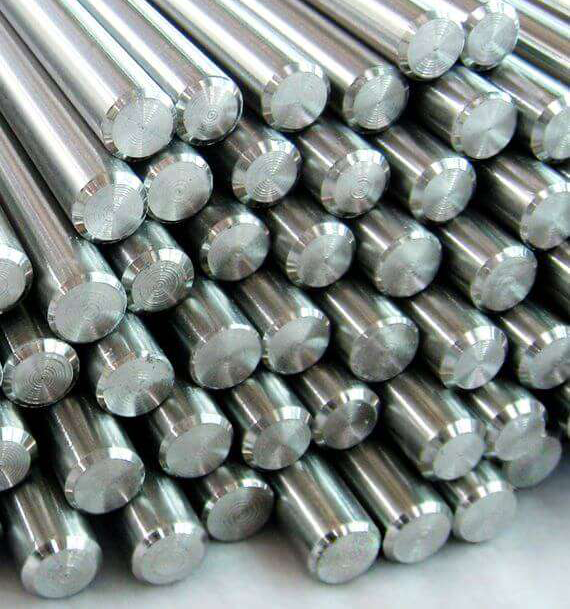
Titanium-based medical steels are another essential category, prized for their biocompatibility and lightweight properties. Titanium alloys are frequently used in implants such as hip replacements and dental prosthetics, providing strength and longevity while minimizing the risk of adverse reactions. Forte Precision Metals offers precision machining services to ensure these materials meet the exact specifications required for medical use.
The Role of Precision Machining in Medical Steel Fabrication
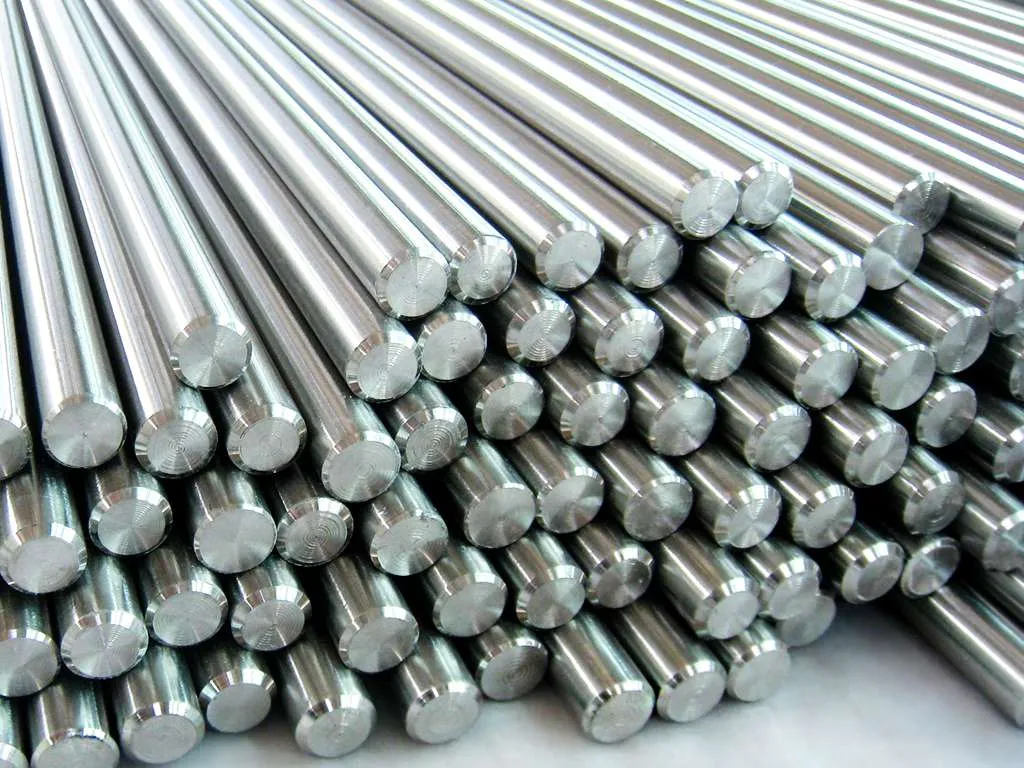
Precision machining is a critical process in the production of medical steels, ensuring that components meet the strict tolerances and surface finishes required for surgical applications. Forte Precision Metals utilizes advanced machining techniques, including bar chamfering, milling, and precision metal cutting, to create high-quality medical steel products. Their expertise in custom machining allows for tailored solutions, ensuring that each piece meets the unique demands of healthcare professionals.
The ability to achieve consistent dimensions and smooth finishes is essential in medical applications, where even minor imperfections can affect performance. By employing state-of-the-art machining technologies, Forte Precision Metals guarantees the highest level of accuracy and quality, making them a trusted supplier for medical device manufacturers.
Ensuring Compliance with Industry Standards
Medical steels must adhere to stringent industry regulations to guarantee their safety and effectiveness in surgical applications. Forte Precision Metals ensures compliance with healthcare and engineering standards by implementing rigorous quality control measures at every stage of production. Their material packaging solutions protect medical steels from contamination and damage, maintaining the integrity of the materials until they are ready for use.
Why Forte Precision Metals is a Leading Supplier of Medical Steels
Forte Precision Metals has built a strong reputation as a reliable supplier of high-quality medical steels, providing customized solutions for the healthcare industry. Their expertise in metal turning, milling, and precision machining ensures that medical devices and surgical tools meet the highest performance standards. By prioritizing quality and precision, they continue to support advancements in medical technology, delivering materials that enhance patient care and surgical outcomes.

Conclusion:
As medical technology continues to evolve, the demand for high-performance medical steels will only increase. Their unique properties, including corrosion resistance, biocompatibility, and mechanical strength, make them essential in the development of advanced surgical tools and implants. Choosing the right medical steel supplier ensures that healthcare professionals have access to reliable, high-quality materials that enhance patient safety and treatment outcomes. Forte Precision Metals, Inc. remains at the forefront of medical steel production, offering precision-machined materials tailored to the needs of the healthcare industry. To learn more about sourcing premium medical steels, contact Forte Precision Metals, Inc.
FAQs
What makes medical steels suitable for surgical applications?
Medical steels are designed with high corrosion resistance, strength, and biocompatibility, ensuring they perform reliably in surgical environments and medical implants.
What types of medical steels are commonly used in healthcare?
Common medical steel types include stainless steel grades like 316L and 17-4 PH, as well as titanium alloys used in surgical instruments and implants.
How does precision machining enhance medical steel products?
Precision machining ensures that medical steels meet strict tolerances, smooth finishes, and exact dimensions required for surgical tools and medical implants.
Why is corrosion resistance important in medical steels?
Corrosion resistance prevents degradation from sterilization processes and exposure to bodily fluids, ensuring the longevity and safety of medical instruments and implants.
How can I source high-quality medical steels from Forte Precision Metals?
To find precision-machined medical steels for surgical applications, visit Forte Precision Metals, Inc. for expert machining and metal processing solutions.